Flanged Hubs vs Standard Hubs Which is Right for You
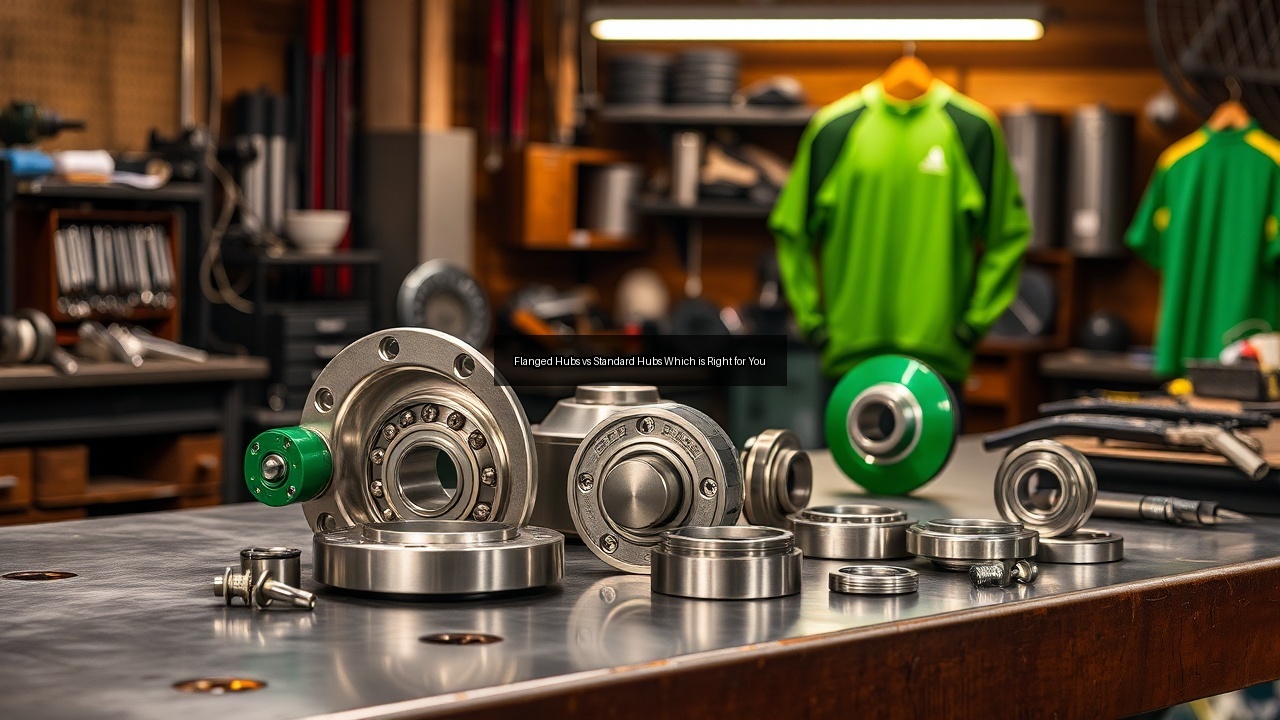
Understanding the Basics: Flanged Hubs vs Standard Hubs
What is a Hub Flange?
A hub flange is an integral part of a bicycle hub, serving as the outer edge that connects the spokes to the hub body. This design enhances the structural integrity of the wheel, allowing for more effective power transfer and load distribution. When cyclists opt for flanged hubs, they benefit from increased stiffness and stability, particularly during high-stress conditions such as competitive racing. The flange's design allows for a more secure attachment of spokes, leading to a more resilient wheel. Cyclists who prioritize performance often gravitate towards flanged hubs for these advantages.
Overview of Standard Hubs
Standard hubs, on the other hand, feature a more traditional design without the distinct flange structure. These hubs typically present a simpler, cleaner look and are lighter in weight, appealing to those who prefer minimalism in their bicycle components. Standard hubs rely on the hub body itself for strength, connecting spokes directly without the added support of a flange. While they may not provide the same level of stiffness as flanged hubs, standard hubs can still perform adequately for recreational riding or less demanding conditions. Their straightforward design and lighter weight make them a popular choice for casual cyclists.
Key Differences between Flanged and Standard Hubs
The primary difference between flanged and standard hubs lies in their structural design and the benefits that come with each. Flanged hubs offer enhanced strength and stability due to their flanges, making them more suitable for competitive cycling, such as the Tour de France Femmes. In contrast, standard hubs provide a lightweight option that can be advantageous for riders focused on speed and simplicity. Additionally, flanged hubs typically allow for a higher spoke count, which can lead to a stiffer wheel, while standard hubs may limit spoke options due to their design. Understanding these differences helps cyclists make informed decisions based on their riding style and performance needs.
Applications and Benefits of Flanged Hubs
Advantages of Using Flanges
Flanged hubs come with numerous advantages that cater to both competitive and casual cyclists. One of the standout benefits is the improved load distribution across the spokes, which reduces the likelihood of spoke breakage during intense rides. The flanges add additional points of connection for the spokes, enhancing the overall stability of the wheel. This increased stiffness translates to a more responsive ride, particularly in competitive environments where every ounce of performance counts. Furthermore, flanged hubs can handle higher torque loads, making them ideal for powerful cyclists who sprint or climb steep inclines. In essence, flanged hubs deliver superior performance for those who demand the best from their equipment.
Role of Flange Ball Bearings
Flange ball bearings play a crucial role in the functionality of flanged hubs. These bearings reduce friction between the hub and the wheel axle, allowing for smoother rotations and improved overall performance. The integration of flange ball bearings in these hubs enhances the efficiency of power transfer from the pedals to the wheels, giving cyclists an edge in speed and responsiveness. Properly maintained bearings ensure longevity and reliability, making them an essential component for both training and competitive events. Cyclists who understand the importance of quality bearings can significantly enhance their riding experience, especially in high-stakes situations like the Tour de France Femmes.
Common Uses in Cycling: Tour de France Femmes
Flanged hubs find their place in various cycling applications, most notably in competitive events like the Tour de France Femmes. This prestigious race requires participants to have the utmost reliability and performance from their equipment. Flanged hubs provide the necessary stiffness and resilience to withstand the rigors of racing, making them a preferred choice among elite cyclists. Additionally, the increased spoke count available with flanged hubs allows for customization based on individual rider preferences, further enhancing performance. The demands of such races showcase the superiority of flanged hubs in high-performance settings, reaffirming their value in the cycling community.
Choosing the Right Hub for Your Needs
Factors to Consider: Weight and Durability
When selecting the right hub for your cycling needs, weight and durability are two critical factors to consider. Flanged hubs typically weigh more than standard hubs due to their reinforced design, which may be a drawback for riders focused on lightweight setups. However, the added weight often translates to increased durability and performance, particularly in competitive scenarios. On the other hand, standard hubs, while lighter, may sacrifice some stiffness and strength. Cyclists should assess their riding style, frequency, and intensity to determine which hub type aligns with their goals. For those prioritizing performance in competitive cycling, investing in flanged hubs can yield substantial benefits.
How Set Screws and Bushings Play a Role
Set screws and bushings are crucial components that affect the overall performance and functionality of hubs. Set screws secure the hub in place, preventing unwanted movement during rides. They provide stability, particularly in flanged hubs, where the connection between the flange and hub body is essential for maintaining structural integrity. Bushings, on the other hand, serve as protective barriers between the hub and the axle, reducing wear and tear. Proper use of set screws and bushings ensures that the hub remains securely attached and operates smoothly, contributing to a more enjoyable riding experience. Cyclists should consider these components when choosing hubs, as they play a vital role in long-term performance and reliability.
Specialized Needs for Competitive Cycling: Jerseys and Performance
In competitive cycling, every detail counts, including the choice of hubs, jerseys, and overall bike performance. Riders like Tom Pidcock prioritize high-performance hubs that complement their racing strategies. The right hub can enhance power transfer, making climbs and sprints more efficient. Additionally, lightweight jerseys that wick moisture away can further improve performance by keeping cyclists comfortable during intense races. Competitive cyclists must consider how their equipment works together, from the hubs to the clothing they wear. A well-rounded approach ensures that every component, including the hub flange and bearings, contributes to optimal performance on the racecourse.
Real-World Examples and Case Studies
Tom Pidcock's Choice: Flanged Hubs in Action
Tom Pidcock’s cycling career exemplifies the benefits of flanged hubs. As a professional cyclist, he relies on the performance advantages that these hubs provide. During races, his choice of flanged hubs allows for superior power transfer and stability, essential for achieving top speeds and maintaining control. The added stiffness from the flange design helps him navigate sharp turns and accelerate quickly, particularly in competitive events where every second matters. Pidcock's success highlights how the right equipment, including flanged hubs, plays a significant role in a cyclist's performance and overall strategy during high-profile races.
Regional Variations: Hubs from Bordeaux to Aurillac
Regional variations in hub design can influence a cyclist's experience and performance. Hubs crafted in Bordeaux, known for their craftsmanship, often feature high-quality flanges and bearings that appeal to serious cyclists. In contrast, hubs from Aurillac may emphasize lightweight designs for casual riders. Understanding these regional distinctions can help cyclists choose hubs that align with their specific riding needs, whether for competitive events or leisurely rides. Each area's unique approach to hub design contributes to the broader cycling landscape, showcasing the importance of localized craftsmanship in the cycling community.
Stock vs Custom Options for Hubs
Cyclists face the decision of choosing between stock and custom hub options. Stock hubs offer a convenient solution for those who prioritize simplicity and cost-effectiveness. They typically come with standardized features, making them readily available for various cycling needs. Custom hubs, however, allow for tailored specifications, including flange designs, spoke counts, and bearing types. For competitive cyclists, the ability to customize hubs can significantly enhance performance, as they can select options that match their riding style and preferences. Weighing the benefits of both stock and custom options helps cyclists make informed choices that align with their performance goals.
See Also
- Exploring the Connection Between Hub Flanges and Ball Bearings
- Spotlight on Set Screws and Their Role in Hub Flange Assembly
- Unlocking the Power of Hub Flanges in Modern Engineering
- The Importance of Hub Flanges in High-Performance Cycling
- Innovative Hub Flange Designs Transforming the Cycling Industry