Navigating the Complexities of Injection Molding for Custom Solutions
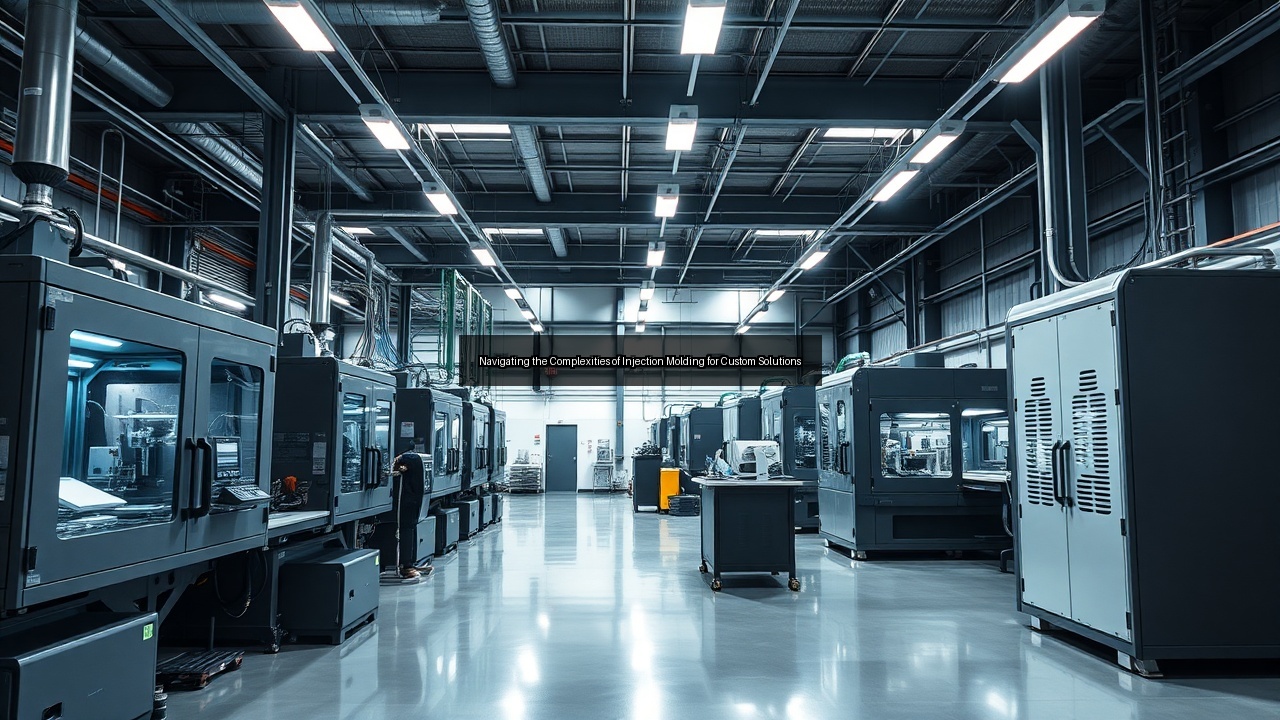
Understanding Injection Molding Processes
Overview of Injection Molding
Injection molding stands as a cornerstone in the manufacturing of custom plastic components. This process involves injecting molten plastic into a precisely designed mold, where it cools and solidifies into the desired shape. The method offers a remarkable combination of efficiency and precision, making it ideal for producing large quantities of identical parts. Industries ranging from automotive to consumer electronics rely on injection molded components for their durability and versatility. As manufacturing technology advances, injection molding techniques continue to evolve, enabling the creation of increasingly complex and intricate designs, essential for modern applications.
Types of Injection Molding Techniques
Several injection molding techniques cater to diverse manufacturing needs, each with unique advantages. Standard injection molding serves as the most common method, efficiently producing high volumes of parts. Variants such as overmolding allow for the integration of multiple materials in a single component, enhancing functionality and aesthetics. Insert molding stands out for embedding additional elements, like threaded inserts, into the plastic during the injection process, which improves strength and usability. Additionally, advancements in 3D printing technology facilitate rapid prototyping, allowing manufacturers to streamline development cycles and refine designs before mass production. Understanding these techniques helps businesses choose the right solution for their custom plastic molding needs.
Advantages of Custom Plastic Molding
Custom plastic molding offers numerous benefits that make it an appealing choice for manufacturers. First, it allows for the creation of tailored solutions that meet specific design requirements, ensuring that parts fit seamlessly within existing systems. This level of customization also enables the use of various thermoplastic materials and liquid silicone rubber, providing flexibility in functionality and performance. Furthermore, injection molded parts exhibit high accuracy and consistency, crucial for industries demanding stringent quality standards. Cost-effectiveness in mass production emerges as another significant advantage, as the initial setup costs are balanced by the low per-unit pricing when producing large quantities. Overall, custom plastic molding empowers businesses to innovate while maintaining efficiency.
Key Components of Injection Molding
Injection Molds: Design and Functionality
The design and functionality of injection molds play a pivotal role in the success of the injection molding process. A well-crafted mold ensures precise shaping and minimal defects, directly impacting the quality of the final product. Mold design involves intricate considerations, including the configuration of gates, runners, and cooling channels. Each element must facilitate optimal flow and cooling of the molten plastic, preventing issues such as warping or incomplete filling. Additionally, mold materials must withstand high pressure and temperatures during the injection process. Engineers often use advanced software to simulate flow dynamics, allowing for fine-tuning before physical production begins. This meticulous approach to mold design lays the foundation for achieving high-quality injection molded parts.
Material Selection for Injection Moldings
Choosing the right material for injection moldings is critical for ensuring the durability and performance of the final products. Manufacturers typically select from a variety of thermoplastic materials, such as ABS, polycarbonate, and nylon, each offering distinct properties suited for specific applications. For instance, ABS provides excellent impact resistance, making it ideal for automotive components, while polycarbonate offers transparency and strength for consumer electronics. Liquid silicone rubber is another viable option, particularly for applications requiring flexibility and heat resistance. The selection process involves evaluating factors such as cost, mechanical properties, and environmental considerations. Effective material selection enhances the functionality of custom plastic molding solutions and contributes to overall product success.
Understanding Thermoplastic and Liquid Silicone Rubber
Thermoplastics and liquid silicone rubber (LSR) represent two primary materials utilized in injection molding, each providing unique advantages. Thermoplastics, which can be reheated and reshaped, allow for a wide range of applications, from rigid components to flexible parts. Their ability to be colored and modified with additives makes them highly versatile. In contrast, liquid silicone rubber offers exceptional elasticity, temperature resistance, and biocompatibility, making it suitable for medical and food-related applications. Understanding the differences between these materials enables manufacturers to select the most appropriate type for their custom plastic molding projects, ensuring optimal performance and functionality in the final products.
Advanced Techniques in Custom Solutions
Overmolding and Its Applications
Overmolding stands out as a sophisticated injection molding technique that enhances the functionality of plastic parts. This method involves adding a second layer of material over an existing component, allowing manufacturers to combine different materials and achieve unique properties. For instance, a hard thermoplastic base can be overmolded with a softer rubber material, resulting in a part that offers both durability and a comfortable grip. Overmolding finds applications in various industries, including medical devices, consumer electronics, and automotive components. It not only improves the aesthetic appeal of products but also enhances their usability and performance, making it a favored choice for custom plastic molding solutions.
Insert Molding: Enhancing Plastic Parts
Insert molding presents another innovative approach to custom plastic molding, where additional components, such as metal inserts or threaded inserts, are integrated directly into the plastic part during the injection process. This technique enhances the strength and functionality of molded plastic parts, allowing for improved assembly and performance. For example, manufacturers can create durable electrical connectors or mechanical components that require additional support. Insert molding reduces assembly time and costs by minimizing the need for secondary operations, such as fastening or bonding. This efficiency makes it an attractive option for industries aiming to streamline production while ensuring high-quality outcomes.
The Role of 3D Printing in Custom Molding
3D printing has revolutionized the prototyping phase of custom plastic molding, enabling rapid development and design iteration. Manufacturers can create intricate molds and parts with high precision quickly, reducing the lead time associated with traditional mold-making processes. This technology allows for testing of designs in real-world applications before committing to large-scale injection molding production. Furthermore, 3D printing facilitates the creation of complex geometries that may be challenging or impossible to achieve with conventional methods. As a result, integrating 3D printing into the custom molding workflow enhances creativity, accelerates time-to-market, and improves overall product quality.
Ensuring Quality and Efficiency in Production
Quality Control Measures in Injection Molding
Implementing robust quality control measures in injection molding ensures that products meet industry standards and customer expectations. Manufacturers utilize various techniques, such as statistical process control (SPC), to monitor production processes and identify variances in quality. Regular inspection of injection molded parts throughout the manufacturing cycle helps detect defects early, minimizing waste and rework. Testing methods, including dimensional analysis and material testing, verify that parts adhere to specified tolerances and performance criteria. By prioritizing quality control, companies can enhance their reputation, reduce costs associated with defects, and foster customer loyalty.
Logistics and Pricing Considerations
Logistics and pricing play significant roles in the overall success of custom plastic molding projects. Effective logistics management ensures that materials are delivered on time, minimizing production delays and optimizing workflow. Manufacturers must also consider the costs associated with raw materials, tooling, and production processes when pricing their products. Understanding the economic implications of scale is essential; as production volume increases, per-unit costs typically decrease. Companies should evaluate their supply chains and establish partnerships with reliable suppliers to enhance efficiency and reduce costs. A well-planned logistics strategy and accurate pricing models contribute to the sustainability of custom plastic molding ventures.
Rapid Tooling and Its Impact on Time Management
Rapid tooling represents a game-changing approach in the injection molding industry, significantly impacting time management and production efficiency. This technique allows for the swift creation of molds using advanced technologies such as 3D printing or CNC machining. By reducing lead times for mold production, manufacturers can accelerate the overall time-to-market for new products. Rapid tooling not only streamlines the prototyping phase but also enables quick adjustments to mold designs based on feedback or performance testing. The ability to adapt molds promptly fosters a more agile manufacturing process, meeting the demands of dynamic markets and customer preferences while maintaining quality and precision.