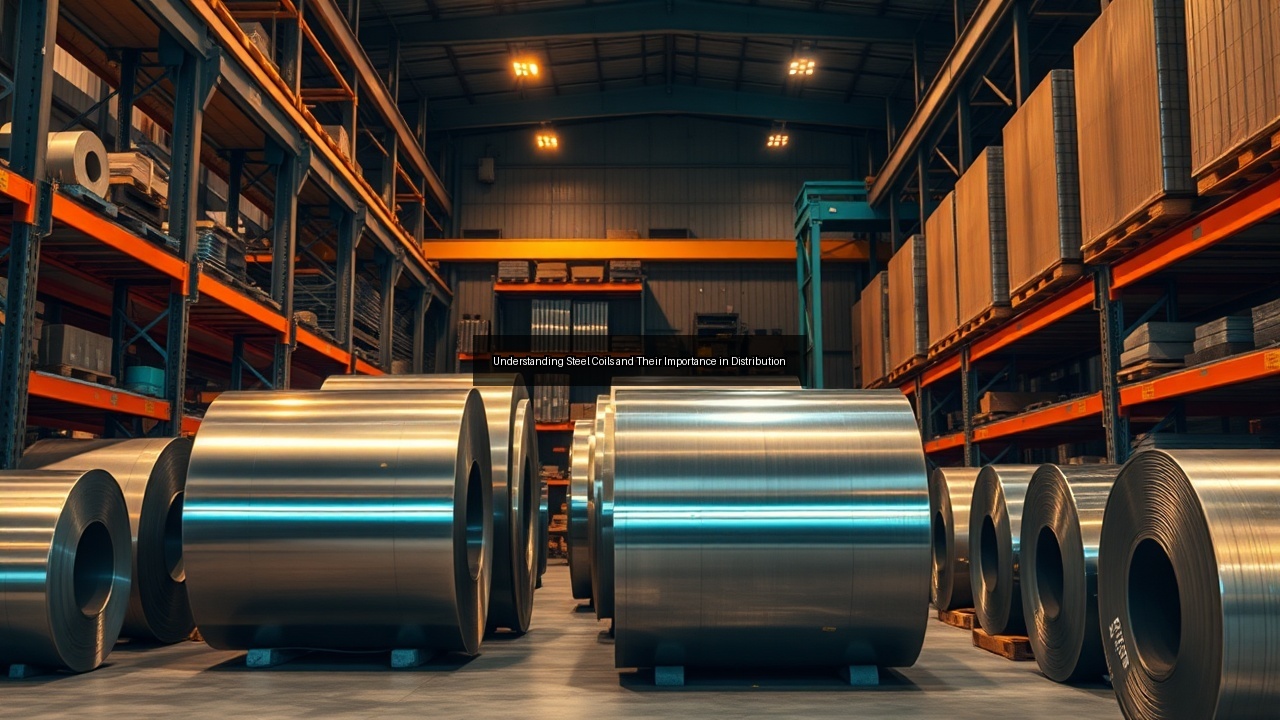
Understanding Steel Coils and Their Importance in Distribution
The Role of Steel Coils in Various Industries
Importance in Oil and Gas Sector
Steel coils play a crucial role in the oil and gas sector, providing essential materials for pipelines, storage tanks, and drilling equipment. The durability and strength of steel, particularly carbon steel, make it ideal for handling the extreme pressures and corrosive environments found in oil and gas extraction and transportation. Steel coils are often used to manufacture pipes that transport oil and gas over long distances. These pipes must withstand harsh conditions, making high-quality steel essential. Additionally, the ability to create seamless pipes from steel coils enhances reliability and minimizes the risk of leaks, which is vital for environmental safety and operational efficiency.
Applications in Automotive Manufacturing
The automotive industry relies heavily on steel coils for producing various components, including chassis, body panels, and engine parts. Cold rolled steel coils, known for their superior surface finish and dimensional accuracy, are commonly used to manufacture vehicle body panels. These panels require high strength-to-weight ratios to improve fuel efficiency without compromising safety. Galvanized steel coils also find applications in automotive manufacturing, particularly in rust-resistant parts that enhance the vehicle's longevity. Automotive fabricators often source steel from distributors who understand the specific gauge and specifications necessary for different car models, ensuring that manufacturers have access to quality materials that meet industry standards.
Utilization in Aerospace Engineering
Aerospace engineering demands materials that can withstand extreme conditions while maintaining lightweight characteristics. Stainless steel coils are a popular choice in this industry due to their corrosion resistance and high strength. Parts such as aircraft frames, engine components, and steel distribution company landing gear benefit from the steel distribution companies properties of stainless steel, contributing to overall aircraft safety and performance. Alloy steel coils also play a significant role, providing the necessary strength and toughness needed for critical components that experience significant stress. The aerospace sector relies on expert steel distributors who can supply materials tailored to specific engineering requirements, ensuring that manufacturers have the right alloys and specifications for their projects.
Types of Steel Coils and Their Characteristics
Cold Rolled Steel Coils
Cold rolled steel coils undergo a manufacturing process that enhances their mechanical properties and surface finish. This process involves rolling the steel at room temperature, which produces a smoother surface and tighter tolerances compared to hot rolled steel. Cold rolled steel coils are ideal for applications requiring precision, such as automotive body panels and electrical appliances. These coils typically come in various gauges, allowing manufacturers to select the appropriate thickness for their needs. The increased strength and hardness of cold rolled steel make it a preferred choice for structural applications, where durability is paramount.
Galvanized Steel Coils
Galvanized steel coils receive a protective zinc coating to prevent rust and corrosion, making them suitable for outdoor applications and environments with high moisture levels. This type of steel is widely used in construction, manufacturing, and automotive industries where durability is essential. The galvanization process enhances the coil's life span, reducing maintenance costs and extending the overall service life of the products made from it. Galvanized steel coils are often used for roofing, siding, and other external components that require resistance to the elements. Their ability to withstand harsh environmental conditions makes them a popular choice among builders and fabricators.
Stainless Steel Coils
Stainless steel coils are prized for their corrosion resistance, strength, and aesthetic appeal. This type of steel contains chromium, which forms a protective layer that prevents rust and tarnishing. Industries such as food processing, pharmaceuticals, and aerospace rely on stainless steel coils for applications that demand cleanliness and resistance to staining. The versatility of stainless steel allows it to be used in various forms, including sheets, bars, and tubes. Fabricators often choose stainless steel for projects requiring high hygiene standards, as it can withstand repeated cleaning and exposure to corrosive substances. Its durability combined with low maintenance needs makes stainless steel a favorite among manufacturers.
Alloy Steel Coils
Alloy steel coils consist of carbon steel mixed with various alloying elements to enhance specific properties. These coils offer improved strength, toughness, and wear resistance compared to standard carbon steel. Industries such as construction, automotive, and heavy machinery frequently utilize alloy steel for critical components that experience high stress and wear. For example, gears, axles, and crankshafts often incorporate alloy steel due to its superior mechanical properties. Distributors play a vital role in the supply of alloy steel, ensuring that manufacturers have access to the right grades and specifications to meet their operational needs effectively.
The Steel Distribution Process
From Manufacturer to Distributor
The journey of steel coils from manufacturer to distributor involves several critical steps. Manufacturers produce steel in various forms, including coils, sheets, and bars. Once the steel is produced, it undergoes quality checks to ensure it meets industry standards. After passing inspections, the steel is cut, packaged, and prepared for shipment. Distributors then receive the steel coils, where they store and manage inventory to meet customer demand. Efficient logistics and transportation are essential in this phase to ensure timely delivery to end-users such as fabricators and construction companies. The relationship between manufacturers and distributors is crucial for maintaining a smooth supply chain and ensuring product availability.
Role of Steel Distributors in Supply Chain
Steel distributors serve as intermediaries between manufacturers and end-users, facilitating the flow of materials in the supply chain. Their expertise in steel distribution allows them to stock a variety of steel types, including cold rolled, galvanized, stainless, and alloy steel. Distributors play a vital role in providing customer service, helping clients choose the appropriate materials based on their specific needs and projects. They also handle logistics, ensuring that steel products reach their destinations safely and on time. By maintaining robust relationships with manufacturers, steel distributors can offer competitive pricing and access to high-quality products, enhancing their value to customers in sectors like construction and automotive.
Key Factors in Steel Distribution
Several key factors influence successful steel distribution. First, understanding market demand helps distributors stock the right types of steel coils, ensuring they can meet customer needs promptly. Additionally, maintaining quality control is essential, as the integrity of steel products directly impacts their performance in various applications. Distributors must also consider logistics and transportation efficiency to minimize delays and costs. Establishing strong relationships with reliable suppliers and manufacturers is critical for securing quality steel products at competitive prices. Finally, staying informed about industry trends and technological advancements in steel production allows distributors to adapt their offerings and remain competitive in a dynamic market.
Choosing the Right Steel Distributor
Evaluating Steel Supply Companies in California
Choosing a steel distributor in California requires careful evaluation of several key factors. Start by assessing the distributor's reputation and experience in the industry. Look for companies known for their reliability and quality of service. A reputable distributor should provide a wide range of steel products, including various grades and specifications. Additionally, consider their ability to meet your project timelines and delivery requirements. Customer reviews and testimonials can offer valuable insights into the distributor's performance and customer service standards. By evaluating these aspects, you can select a distributor that aligns with your specific needs and ensures a smooth supply chain for your projects.
Identifying Quality Steel Suppliers
Identifying quality steel suppliers involves looking beyond price. While competitive pricing is essential, the quality of the steel provided is paramount. Start by researching suppliers who have a proven track record in the industry. Seek certifications and quality assurances that demonstrate their commitment to maintaining high standards. Additionally, consider the range of products offered and whether they can accommodate your specific requirements, such as gauge and type of steel. A quality supplier will also have knowledgeable staff ready to assist with any inquiries regarding specifications and applications. Building a relationship with a trusted supplier can enhance project efficiency and ensure access to high-quality materials.
Understanding Gauge and Specification Requirements
Gauge and specification requirements play a critical role in selecting the right steel products for your project. Gauge refers to the thickness of the steel, with lower numbers indicating thicker steel. Understanding the required gauge is crucial for ensuring structural integrity and performance in applications. Additionally, be aware of the specific standards and specifications relevant to your industry, as these can dictate the type of steel needed. Consulting with experts or your steel distributor can help clarify these requirements, ensuring that you select materials that meet industry standards and project specifications effectively. This attention to detail ultimately contributes to the success and safety of your projects.
See Also
- The Benefits of Partnering with a Local Steel Distributor
- How Steel Distributors Can Enhance Supply Chain Efficiency
- Top Steel Suppliers in the Industry and What Sets Them Apart
- How Alloy Steel is Transforming Automotive Manufacturing
- Steel Distribution Strategies for Successful Construction Projects