How to Maximize Your Submerged Arc Welder's Performance with Proper Maintenance
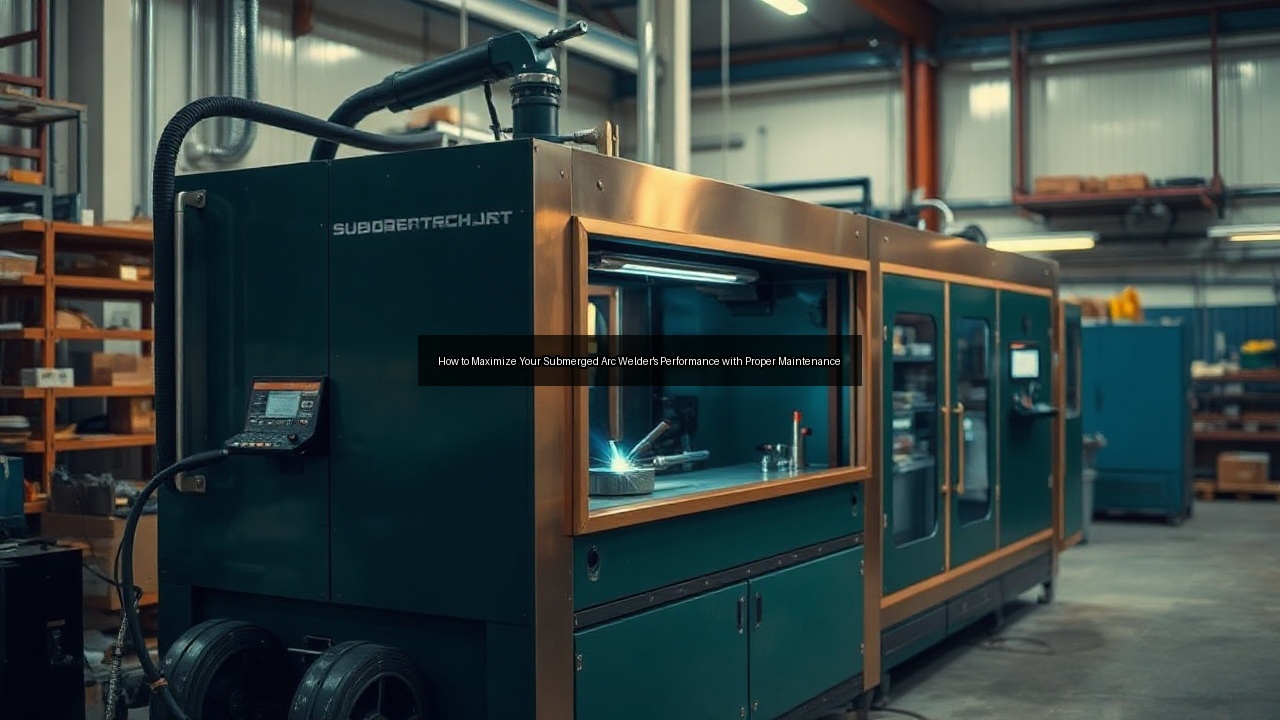
Understanding the Submerged Arc Welding Machine
Overview of Submerged Arc Welding
Submerged arc welding (SAW) stands out as a highly efficient and productive welding process. It employs a continuously fed wire electrode and a blanket of granular fusible flux that covers the arc during the welding process. This design not only protects the molten weld pool from atmospheric contamination but also enhances weld quality by preventing oxidation. Welders often favor submerged arc welding for its ability to produce deep penetration welds while maintaining a smooth surface finish. The process is particularly effective for joining thick sections of metals, such as carbon steel and stainless steel, making it a favorite in industries like construction, shipbuilding, and heavy machinery fabrication.
Key Components of a Submerged Arc Welder
A submerged arc welding machine consists of several critical components that work together to ensure efficient performance. The primary elements include the power supply, which can be either AC or DC, depending on the specific application requirements. The wire feeder continuously supplies the electrode wire to the welding area, while the flux hopper feeds the granulated flux into the welding zone. The welding head holds the electrode and guides it along the weld joint. Additionally, a control unit allows operators to adjust settings such as voltage and travel speed, ensuring optimal weld quality. Understanding these components is vital for maintaining the machine and achieving the best results during welding operations.
Comparison with Other Welding Techniques
Submerged arc welding offers distinct advantages compared to other welding techniques like gas tungsten arc welding (TIG) and shielded metal arc welding (SMAW). While TIG welding provides excellent control and is ideal for thin materials, it often requires more time and skilled operators. SMAW, on the other hand, is versatile and portable but can struggle with large-scale applications due to its slower welding speed and higher risk of defects. Subarc welding excels in high-volume production environments, delivering faster welding speeds and deeper penetration. Its ability to weld in multiple passes while maintaining uniformity makes it an ideal choice for heavy-duty fabrication projects.
Essential Maintenance Practices for Optimal Performance
Routine Inspection and Cleaning
Regular inspection and cleaning of the submerged arc welding machine are essential for maintaining its performance and longevity. Start by examining the power supply for any signs of wear or damage. A clean power supply ensures consistent voltage, preventing fluctuations that can lead to poor welds. Next, check the wire feeder for proper alignment and functionality. Dust and debris can accumulate in the system, leading to feeding issues. Cleaning the feeder and ensuring a smooth wire supply will help maintain consistent weld quality. Additionally, inspect the welding head and flux delivery system for blockages or wear. A clean machine operates more efficiently, resulting in better welds and reduced downtime.
Electrode and Flux Management
Effective management of the electrode and flux plays a crucial role in the success of submerged arc welding. Ensure that the electrode is of high quality and compatible with the materials being welded. Regularly check the diameter of the wire to prevent inconsistencies in the weld. Flux selection also impacts weld quality; choose flux that matches the base material and welding position. Store flux in a dry environment to prevent moisture absorption, which can lead to defects in the weld. When changing flux, make sure to clean the flux hopper to avoid contamination. Proper management of these components enhances weldability, reduces defects, and ensures a smoother welding process.
Power Supply and Voltage Settings
The power supply and voltage settings are critical for optimal performance in submerged arc welding. A stable power supply ensures consistent arc stability, which is essential for high-quality welds. Operators should regularly monitor the voltage settings, adjusting them according to the thickness and type of material being welded. Higher voltage typically increases the arc length, which can lead to a wider weld pool, while lower voltage creates a narrower pool. Understanding the relationship between voltage and weld penetration allows welders to customize their settings for specific applications. Regular calibration of the power supply ensures that the submerged arc welding machine operates efficiently, maximizing productivity and reducing the risk of defects.
Troubleshooting Common Issues in Submerged Arc Welding
Identifying Welding Defects
Common welding defects can hinder the quality of submerged arc welds. Identifying these issues early prevents costly rework and improves overall efficiency. Common defects include porosity, undercutting, and incomplete fusion. Porosity occurs when gas trapped in the weld pool escapes, leading to small cavities. This issue often arises from poor flux selection or contamination. Undercutting refers to the groove that forms at the edges of the weld, often due to excessive heat input or improper travel speed. Incomplete fusion happens when the base metal and weld metal do not bond properly. Regular inspection of welds and understanding the causes of these defects allows operators to adjust their techniques and settings accordingly.
Adjusting Machine Settings for Efficiency
Adjusting machine settings is crucial for maintaining efficiency in submerged arc welding. Fine-tuning parameters such as travel speed, voltage, and wire feed rate can significantly impact the quality of the weld. For instance, increasing travel speed may reduce heat input, resulting in a narrower weld bead; however, it could lead to incomplete fusion if set too high. Conversely, reducing travel speed increases heat input, promoting deeper penetration but also risking burn-through. Operators should experiment with different settings based on the specific materials being welded to find the optimal balance. Keeping detailed records of settings and results helps in achieving consistent quality across projects.
Maintaining Arc Stability
Arc stability is vital for producing high-quality welds in submerged arc welding. An unstable arc can lead to spatter, poor penetration, and inconsistent bead appearance. Factors affecting arc stability include voltage fluctuations, wire feed speed, and the quality of the electrode. To maintain a stable arc, regularly check the power supply for consistency and ensure the wire feed mechanism functions smoothly. Adjusting the voltage and travel speed can also enhance stability. Operators should monitor the welding process closely, making adjustments as needed to ensure the arc remains steady throughout the operation. A stable arc not only improves the aesthetic quality of the weld but also contributes to its structural integrity.
Upgrading and Enhancing Your Welding System
Choosing the Right Welding Equipment Brands
Selecting high-quality welding equipment brands ensures reliability and performance in submerged arc welding. Reputable brands like ESAB offer a range of submerged arc welding machines designed for various applications, from heavy industrial projects to precision fabrication. Investing in reputable brands guarantees access to advanced technology, customer support, and quality assurance. When choosing equipment, consider factors like warranty, service availability, and user reviews. A well-regarded brand typically reflects a commitment to innovation and performance, giving operators confidence in their welding systems. Researching and investing in the right equipment not only optimizes performance but also enhances safety and efficiency on the job site.
Incorporating Advanced Welding Tools and Accessories
Integrating advanced welding tools and accessories can arc welders significantly enhance the performance of submerged arc welding systems. Consider investing in automated systems that allow for precise control over welding parameters, improving consistency and reducing operator fatigue. Accessories like positioners and fixtures help maintain correct alignment, especially when welding large components. Adjustable welding heads offer flexibility for various joint designs and positions, improving overall productivity. Additionally, utilizing high-quality welding consumables, such as electrodes and flux, ensures better weld quality and minimizes defects. By outfitting welding machines with the latest tools and accessories, operators can achieve superior results and increase operational efficiency.
Utilizing Technology for Better Fabrication
Technology plays a pivotal role in modernizing submerged arc welding processes. Automated welding systems equipped with advanced software can monitor and adjust parameters in real-time, ensuring optimal conditions for each weld. Incorporating data analysis tools allows operators to track performance metrics and identify areas for improvement. Furthermore, using simulation software can help visualize welding paths and optimize designs before actual fabrication begins. Embracing innovations like plasma cutting and advanced welding techniques can also expand capabilities and enhance overall efficiency. By leveraging technology, welders can enhance productivity, reduce costs, and improve the quality of their welded structures.